-
![]()
GIVE YOUR BRAIN A LITTLE WORKOUT!
Just like our bodies benefit from regular activity, our brains benefit from opportunities to think, remember, problem-solve, communicate, and connect.
Try this quick brain challenge: Can you name 10…
Vegetables
Clothing items
Items you’d find in a kitchen
Items you use to get ready for the day
Now make it a little more challenging and try to name 10 things in 30 seconds!
Activities like these can be part of speech therapy, where our speech-language pathologists use individualized activities to work on skills such as word-retrieval, memory, attention, problem-solving, and reasoning.
Cognitive stimulation isn't about being “perfect”—it's about keeping the brain engaged, building confidence, and continuing to use the skills that help us stay connected and participate in the things that matter most.
-
![]()
CONNECTION MATTERS. DIGNITY MATTERS. EVERY MOMENT MATTERS.
A diagnosis of Alzheimer’s changes many things—but it never takes away the importance of connection.
A familiar song.
A favorite story.
A smile from someone you love.
A cup of coffee together.
A simple conversation.
A walk outside.
Sometimes the most meaningful moments aren't about remembering everything. They're about feeling safe, valued, heard, and connected in the moment.
At Active Therapy, we believe every person has a story worth knowing and abilities worth supporting.
Connection matters.
Dignity matters.
Every moment matters.
To learn more about Alzheimer’s disease, visit the Alzheimer’s Association at: https://www.alz.org/
-
![]()
MEET THEM WHERE THEY ARE
If someone with dementia tells you they're getting ready for work – even though they retired years ago… Do you correct them? Or do you ask, “What did you do for work?”
If they think they're waiting for their parents to pick them up… Do you remind them that their parents have passed away? Or do you sit with them and say, “Tell me about your parents.”
Sometimes, the most helpful response isn't correcting the facts, but rather stepping into their reality for a moment.
For someone living with dementia, the emotions behind a memory can feel very real – even when the details are no longer accurate. Meeting them where they are can reduce frustration, encourage conversation, and create an opportunity for meaningful interaction.
This doesn't mean agreeing with everything. It means choosing compassion over correction and connection over confrontation – remembering that connection doesn’t always require being in the same reality. Sometimes, the most meaningful way to connect is to meet them in theirs.
-
![]()
WATER PLAYS AN IMPORTANT ROLE IN NEARLY EVERY FUNCTION OF THE BODY
Health Tip: Don't Wait Until You're Thirsty
Did you know that older adults may have a reduced sense of thirst, which can make it easier to become dehydrated without realizing it?
Why does hydration matter? Water plays an important role in nearly every function of the body. Staying hydrated helps support circulation, digestion, temperature regulation, joint health, energy levels, and normal brain function.
Dehydration can contribute to:
Fatigue & weakness
Dizziness or lightheadedness
Headaches
Confusion or changes in alertness
For older adults, dizziness, weakness, or confusion can also increase the risk of falls and affect everyday activities.
A few simple ways to stay hydrated:
Keep a water bottle or cup within reach throughout the day. Drink fluids regularly rather than waiting until you're thirsty.
Have a glass of water with meals and snacks.
Choose water-rich foods (e.g., watermelon, berries, oranges, soups).
Make hydration part of your daily routine
An important reminder: Some medical conditions and medications can affect how much fluid a person should drink. If you have been given specific fluid restrictions or have questions about your hydration needs, talk with your healthcare provider.
-
![]()
STAYING CONNECTED IS AN IMPORTANT PART OF HEALTHY AGING
It’s Important to Address Changes in Your Hearing
Hearing changes are common as we age, but they can affect much more than our ability to hear a conversation.
Difficulty hearing may make it more difficult to:
Communicate with others
Participate in social activities
Follow conversations or instructions
Hear important sounds like alarms or doorbells
A few ways to support your hearing:
Schedule regular hearing checks
Reduce background noise when having conversations
Face the person you're speaking with
Use hearing devices as recommended
Let your healthcare provider know about changes in your hearing
Early evaluation can help identify the cause and determine what support may be appropriate. Staying connected is an important part of healthy aging—don't let changes in hearing keep you from the conversations and activities you enjoy!
-
![]()
SMALL CHANGES TODAY FOR A HEALTHIER, MORE ACTIVE TOMORROW
August is National Wellness Month!
There are many things we can do to help us feel our best, such as:
🏋️ Participating in an exercise or fitness class
🧠 Challenging your brain with a puzzle or game
🥗 Eating nourishing meals
💧 Staying hydrated
💤 Getting adequate sleep
😊 Spending time with friends and family
💭 Reflecting on meaningful memories & experiences
👋🏼 Meeting a new resident or neighbor
💪🏼 Participating in therapy to maintain strength, mobility, and independence
Think of one thing you're already doing well for your health and wellness, and one thing you'd like to focus on more in the weeks ahead. Small changes today can help support a healthier, more active tomorrow!
-
![]()
DIABETES - HOW OTs and PTs CAN HELP
November is Diabetes Awareness Month – one of the top health concerns worldwide with 1.2M Americans diagnosed each year, 11.6% of Americans living with diabetes in 2023, and 97.6M American adults living with prediabetes.
Physical therapists and occupational therapists play a large role in helping people with diabetes. PT’s can reduce sensitivity to diabetic nerve pain, assist in the development of a safe and effective exercise program to lower blood sugar levels, help protect painful areas, check for appropriate footwear, and discuss potential support equipment. OT’s can address diabetic self-management and monitoring skills, lifestyle changes, strategies to help compensate for sensory loss, maintain diabetic medication tracking and organization, and recommend assistive devices as needed.
Check out the American Diabetes Association to learn more about diabetes and how to support those with it.
-
![]()
OCCUPATIONAL THERAPY CAN HELP WITH LOW VISION
Did you know occupational therapists play a role in helping poor vision? OTs can help through:
— teaching visual training exercises, such as eye tracking, scanning techniques, and focusing exercises
— environmental modifications, such as increased lighting, improving contrasting colors, decluttering, and adding tactile markers to help identify objects
— educating on how to use low-vision devices, such as magnifiers, large print materials, and specialized lighting
— helping people adapt and manage their visual impairments during daily tasks
And more!
By identifying potential hazards and providing guidance on navigating through the environment safely, OTs can largely improve the safety and independence of those with visual impairments.
Could you or your loved one benefit from an occupational therapy low vision evaluation? To learn more, contact us!
-
![]()
SMALL STEPS. BIG PROGRESS.
Progress doesn't always happen in giant leaps. Sometimes it's taking a few more steps than yesterday, remembering a loved one's name, preparing a meal independently, or enjoying a conversation with greater confidence.
At Active Therapy, we celebrate every milestone because we know those small victories add up to meaningful independence and a better quality of life. Whether it's physical, occupational, or speech therapy, our team is committed to helping every individual reach their personal goals - all from the comfort and convenience of their own home.
For some Monday motivation, think of one small goal you’re working toward this week and remember that every step counts, and we are cheering you on.
-
![]()
FALL REDUCTION - PHYSICAL THERAPY INVOLVEMENT
Falls can result in unwanted outcomes, including injury, loss of independence, and a decreased ability to do the things that are most important to you or a loved one. Research shows that physical therapy works to prevent falls in older adults.
Contact Active Therapy for more information on how our team of physical therapists and physical therapist assistants can help.
-
![]()
STEPS TO PREVENT A FALL
Falls are the leading cause of injury for all ages in the United States. Occupational therapists (OTs) and physical therapists (PTs) can help prevent falls through assessing risk factors, modifying the environment, improving strength, flexibility, and gait, and educating on fall prevention. Speech therapists (STs) can assist in preventing falls through assessing cognitive function, developing memory aids, and addressing safety strategies and sequences.
National Council on Aging - 6 Steps to Prevent a Fall: 1) find a good balance and exercise program; 2) talk to your healthcare provider; 3) regularly review your medications with your doctor or pharmacist; 4) get your vision and hearing checked annually and update your eyeglasses; 5) keep your home safe; 6) talk to your family members. Learn more by visiting The National Council on Aging (NCOA) at https://www.ncoa.org.
#FallPreventionAwareness
-
![]()
ALZHEIMER'S AWARENESS
September is World Alzheimer’s Month - a global opportunity to raise awareness, support those affected, and challenge the stigma around Alzheimer’s disease and other dementia.
Whether it be joining the Alzheimer's Association, fundraising for the cause, sharing information, or talking to a loved one about dementia - there are many ways that YOU can make a difference!
Learn more, join the fight, and spread Alzheimer's awareness by visiting https://www.alz.org/ or other Alzheimer’s foundations.
-
![]()
REGULAR PHYSICAL EXERCISE REDUCES RISK FOR HEART DISEASE
February is American Heart Month ♥️ – a time when all people are encouraged to focus on their cardiovascular health and raise awareness about the risks of heart disease and the importance of identifying and managing heart-related health conditions.
Regular physical activities like walking, bicycling, or attending fitness classes are a healthy habit to help reduce the risk for heart disease and heart-related complications.
Visit our “Services” page for information on Active Therapy hosted exercise classes offered at many of the facilities we partner with to join a fun and educational exercise group!
-
![]()
NATIONAL CAREGIVERS DAY - FEB 21
Today (and everyday), we recognize and honor the selflessness and dedication of caregivers and the vital role they play in the lives of others. Today, we encourage you to show appreciation for caregivers and their critical contributions to families, our communities, and healthcare system. You can show appreciation through listening, offering help, saying thank you, writing a note, and encouraging self-care. THANK YOU, CAREGIVERS! ♥️
-
![]()
THE GOAL IS TO KEEP DOING AS MUCH AS YOU CAN TODAY
❌ MYTH: “I’m too old to get stronger.”
✅ FACT: Your body can respond to exercise and strengthening at any age, and staying active is an important part of healthy aging!
It's normal for our bodies to change as we age, but that doesn't mean we should stop moving. Regular, appropriate physical activity can help support strength, balance, flexibility, endurance, and overall function.
Physical therapy can help identify where strength may be limiting you and create a personalized plan to work toward your goals—whether that's walking farther, feeling steadier, or simply making everyday activities a little easier.
The goal isn't to do everything you did years ago—it's to keep doing as much as you can today.
What's one activity you'd love to feel stronger or more confident doing?
-
![]()
REDUCING THE RISK OF FALL RELATED BRAIN INJURIES
When discussing brain injury awareness, falls are a crucial topic as they are considered the leading cause of traumatic brain injuries - particularly among older adults. Our team of PTs and OTs play a key role in fall prevention and are specialists in conducting comprehensive fall prevention assessments and education on fall prevention strategies.
Occupational therapists can assess the home environment, identify potential hazards, and recommend safety equipment, modifications, and techniques while also teaching you or your loved one how to properly use them – overall helping to reduce falls and maintain independence during daily activities. Physical therapists can create individualized exercise programs to help improve balance, strength, and flexibility.
Contact us if you believe you or your loved one would benefit from a comprehensive fall prevention assessment.
-
![]()
STROKE AWARENESS - KNOW THE WARNING SIGNS
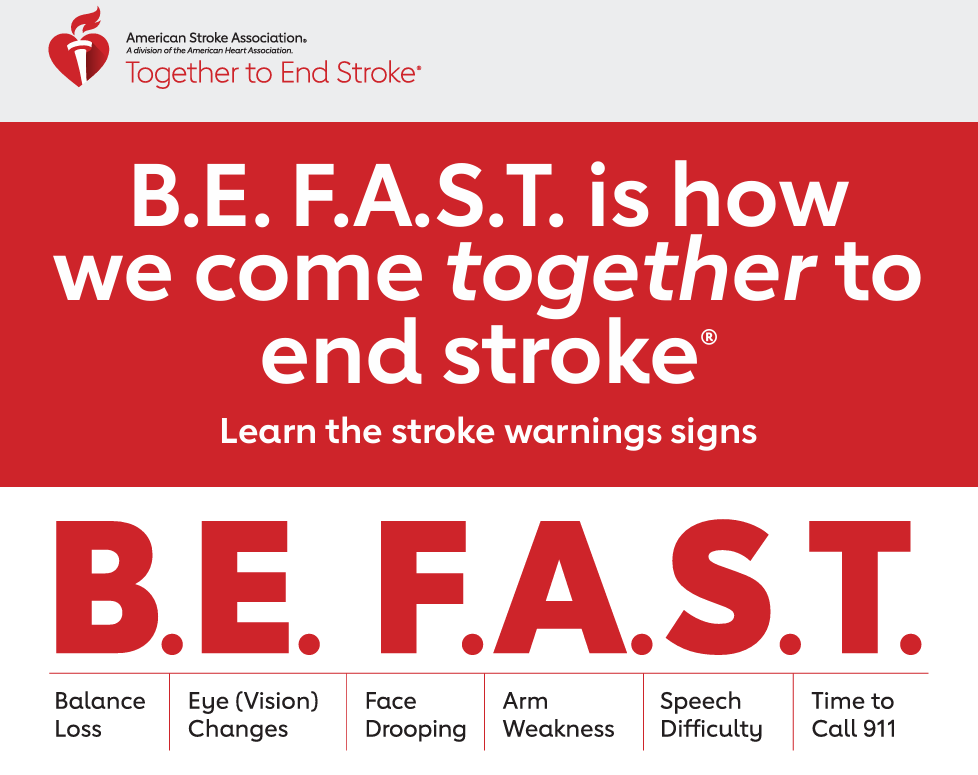
May is Stroke Awareness Month. Knowing how to recognize stroke warning signs and acting quickly can help save a life and reduce the risk of long-term disability. The faster a stroke is treated, the more likely the person is to recover. Visit the American Stroke Association at https://www.stroke.org/en/ to learn more.
-
![]()
CELEBRATING THE TEAMS WHO MAKE A DIFFERENCE
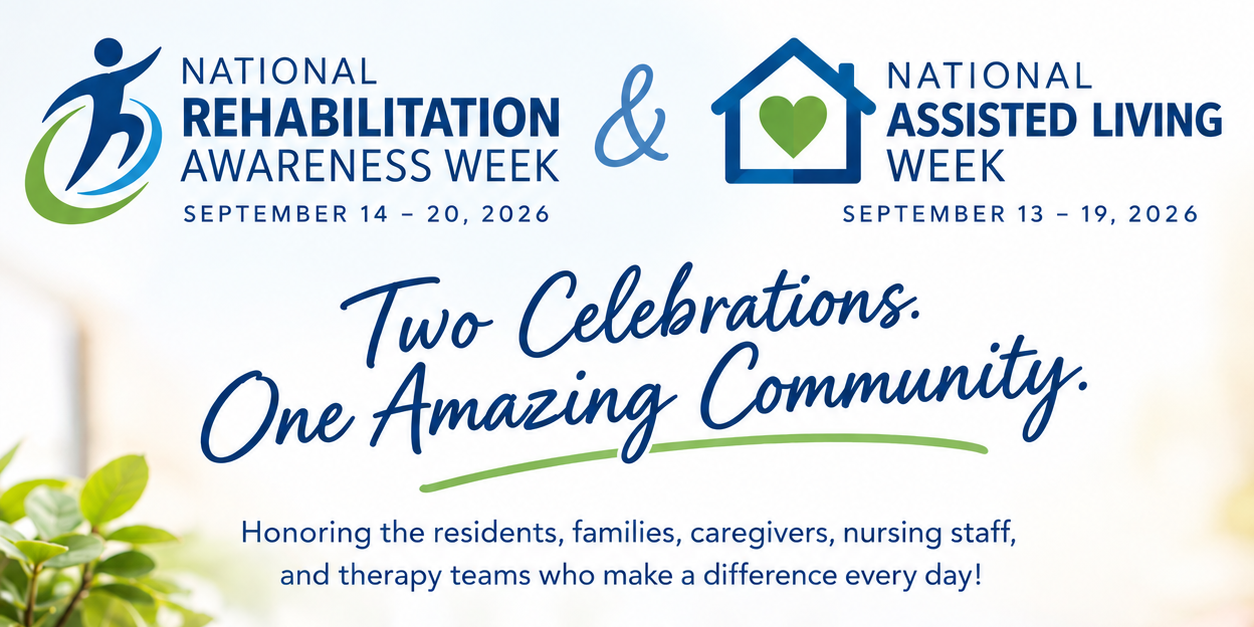
National Rehabilitation Awareness Week AND National Assisted Living Week—two important opportunities to celebrate the people and teams who make a difference every day.
Rehabilitation is about more than improving strength, mobility, and other areas of function. It is about helping individuals maintain independence, participate in daily life, and continue doing the things that are meaningful to them.
Assisted living is about more than providing a place to live. It is about creating a supportive community where residents can feel valued, connected, and empowered to live as independently and actively as possible.
At Active Therapy, we are proud to work alongside residents, families, caregivers, nurses, and facility teams to support those goals. This week, we celebrate the progress, partnerships, dedication, and people that make this work so meaningful.